• 2.11 (日)
  • 19.00
  • ドイツ
    ·シュトゥットガルト
    ·リーダーハレ

ヨーゼフ・ハイドンの作品

シュトゥットガルト国際バッハアカデミー

プログラム

    • ヨーゼフ・ハイドン (1732–1809)
    • オラトリオ『四季』Hob.XXI-3

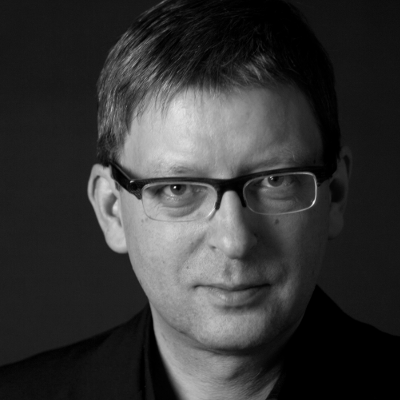
指揮

ハンス=クリストフ・ラーデマン

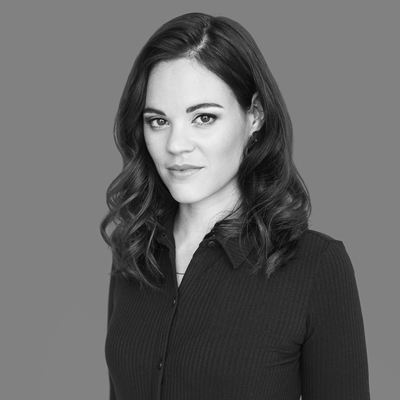
ソプラノ

レグラ・ミューレマン

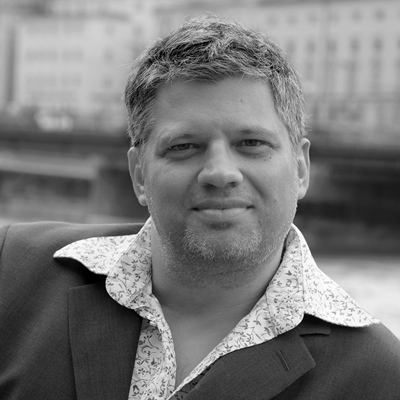
テノール

ヴェルナー・ギューラ

バリトン

アルットゥ・カタヤ

Arttu Kataja began his musical education with oboe lessons at the age of nine and later studied singing at the Sibelius Academy in Helsinki. Since 2006, this baritone has been a permanent ensemble member of the Staatsoper Unter den Linden Berlin, where he has worked with conductors such as Daniel Barenboim, Gustavo Dudamel, Andris Nelsons, Sir Simon Rattle, Omer Meir Wellber and many others, singing roles such as Papageno (›Die Zauberflöte‹), Peter Besenbinder (›Hänsel und Gretel‹), Marcello in ›La Bohème‹ and many more. In addition, guest performances have taken him to many international theatres from Vienna to Santiago de Chile. This Finnish performer is also in great demand as a recitalist and Lieder singer.

In recent years, Arttu Kataja has also toured the world as Count Almaviva in a semi-concertante version of ›Le Nozze di Figaro‹ with the Freiburg Baroque Orchestra. Other concert highlights included Handel’s ›Messiah‹ conducted by Michael Sanderling at the Dresden Philharmonie. In the 2021/22 season, Arttu Kataja performed Sibelius‘ ›Kullervo‹ at the Sibelius Festival and also at the Concertgebouw Amsterdam.  At his home in Berlin, the singer took part in the world premiere of Peter Eötvös‘ opera ballad ›Sleepless‹, a production that he also premiered at the Grand Théâtre Genève in spring 2022 and which was named ›World Premiere of the Year‹ by Opernwelt magazine.
合唱

ゲッヒンガー・カントライ

Founded by Helmuth Rilling in 1954, the Gächinger Kantorei has enjoyed the sponsorship of the International Bach Academy Stuttgart since 1981 and is today considered one of the world’s most outstanding concert choirs. During its long history which spans more than 60 years, the choir has performed hundreds of concerts, made countless guest appearances, Radio and CD recordings and can lay claim to inestimable influence through its various notable credentials, for example its collaborations with renowned guest conductors and orchestras, including Masaaki Suzuki, Krzysztof Penderecki and Sir Roger Norrington as well as the Vienna Philharmonic, the New York Philharmonic and the Israel Philharmonic.

During the 2016/17 season, the Bach Academy’s vocal and instrumental ensembles underwent a fundamental change and have since been performing under the one shared name of ›Gaechinger Cantorey‹. The deliberately archaic spelling unites the choir – which Academy Director Hans-Christoph Rademann has been gradually reforming since his appointment in 2013 – with the newly-formed Baroque orchestra. Based on the historical traditions of the Bach era and with its roots in live performance history, the Gaechinger Cantorey stands for a holistic musical approach and the aesthetic sound-ideal of the Baroque. This authentic sound is achieved today through the use of Baroque instruments and musicians who are experts in Baroque performance practices, as well as choirs whose singers are as talented as ›Ripienists‹ (ensemble singers) as they are ›Concertistas‹ (soloists).

指揮

ハンス=クリストフ・ラーデマン

テノール

ヴェルナー・ギューラ

合唱

ゲッヒンガー・カントライ

Founded by Helmuth Rilling in 1954, the Gächinger Kantorei has enjoyed the sponsorship of the International Bach Academy Stuttgart since 1981 and is today considered one of the world’s most outstanding concert choirs. During its long history which spans more than 60 years, the choir has performed hundreds of concerts, made countless guest appearances, Radio and CD recordings and can lay claim to inestimable influence through its various notable credentials, for example its collaborations with renowned guest conductors and orchestras, including Masaaki Suzuki, Krzysztof Penderecki and Sir Roger Norrington as well as the Vienna Philharmonic, the New York Philharmonic and the Israel Philharmonic.

During the 2016/17 season, the Bach Academy’s vocal and instrumental ensembles underwent a fundamental change and have since been performing under the one shared name of ›Gaechinger Cantorey‹. The deliberately archaic spelling unites the choir – which Academy Director Hans-Christoph Rademann has been gradually reforming since his appointment in 2013 – with the newly-formed Baroque orchestra. Based on the historical traditions of the Bach era and with its roots in live performance history, the Gaechinger Cantorey stands for a holistic musical approach and the aesthetic sound-ideal of the Baroque. This authentic sound is achieved today through the use of Baroque instruments and musicians who are experts in Baroque performance practices, as well as choirs whose singers are as talented as ›Ripienists‹ (ensemble singers) as they are ›Concertistas‹ (soloists).